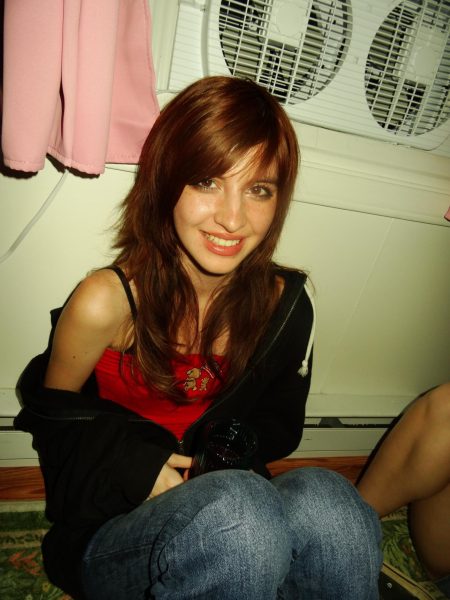
Since rising to popularity in 2019, TikTok has seen plenty of growth in its user base. The platform was originally considered a music app, but its For You feed system now caters to many different forms of entertainment. Much of TikTok’s content revolves around self-expression, from outfits you want to show off to the latest album you heard.
The app is one of the best ways to get yourself out there. But with so many different people and senses of style, TikTok encourages a quick cultivation of online aesthetics and subcultures. On an app dominated by short-form content, fashion aesthetics and microtrends quickly cycle.
This rapid cycling of personal aesthetics can oversaturate online fashion spaces, ultimately restricting creative expression. Additionally, these trends can lead to the quick consumption of small pieces that clog your wardrobe. Not only will these purchases go out of style very quickly, they also fund the harmful fast fashion industry.
However, personal style and the formation of subcultures are no new fad. In the 1970s, the hippie movement emerged. In the ‘80s, there was a rise in goth and new wave. As time went on, hipsters, emo, punk and all sorts of other aesthetics were formed and labeled.
These subcultures, especially older ones, were formed out of a sense of belonging. Goth was based on music, while punk was developed out of rebellion against the mainstream. The punk revolution began back in 1970s underground spaces, full of frustrated youth. Punk was focused on the Do-It-Yourself aspect of fashion, concerned less with clothes but rather the message through them — mutual aid, anti-consumerism, gender equality, free thought and kicking the status quo to the curb. However, punk has become an oversaturated internet term, focusing only on style, with new fans of the style that would likely even oppose the subculture’s founding ideology, taking away the point of wearing the style at all.
Within these subcultures exist smaller subcultures, such as trad goth and rockabilly. Subcultures aren’t new, but with such a rapid algorithm on TikTok, new ones quickly form. As of today, internet style labels follow a very specific name construction of the “core” usage. A recent example is the infamous “older brother-core”; however, the use of “core” can apply to practically any aesthetic made in the last five years. Cluttercore, robotcore, mermaidcore — these are all labels for online visual styles.
Aesthetics and subcultures can be a useful way to explore unique styles and it’s important to note that there is a difference between the two. Aesthetics have no defined community and no history. You can often enjoy an aesthetic without any set of rules.
Subcultures are rooted in a shared history and depend on what criteria someone’s personal identity fulfills. If you find one of these communities to fit you or be something you find interest in, it may be exciting to want to explore more. However, with so many online aesthetics, labeling yourself under one exclusively can be rigid.
The real problem here isn’t already-formed style categories, such as goth, but rather new, smaller and more descriptive ones, such as cybercore. These more specific categories, especially within alternative fashion, take away from the entire point of having style. Alternative fashion was created to stray from the mainstream and celebrate self-expression.
Alternative fashion embodies the rejection of what was considered socially acceptable in order to subvert dominant political structures. If you force yourself to conform to only one specific style, you lose your own sense of identity.
Individuality can exist within subcultures, as seen with umbrella terms like hippie. The problem lies in how labels can become restrictive, especially with TikTok wanting to categorize any style as something new that needs a name. Focusing on your own idea of yourself first is more important than picking a label and sticking with it.
You don’t choose to be emo overnight and wake up with all the clothes needed to signify that decision. Closets are curated just like our identities. The idea of self-expression should be just that: expressing yourself. Your clothes, your perspective and your experiences all define who you are. Fitting yourself into a rigid box of a specific label takes away from your unique identity, so start choosing clothing that feels authentic to you and tune out the outside noise.