
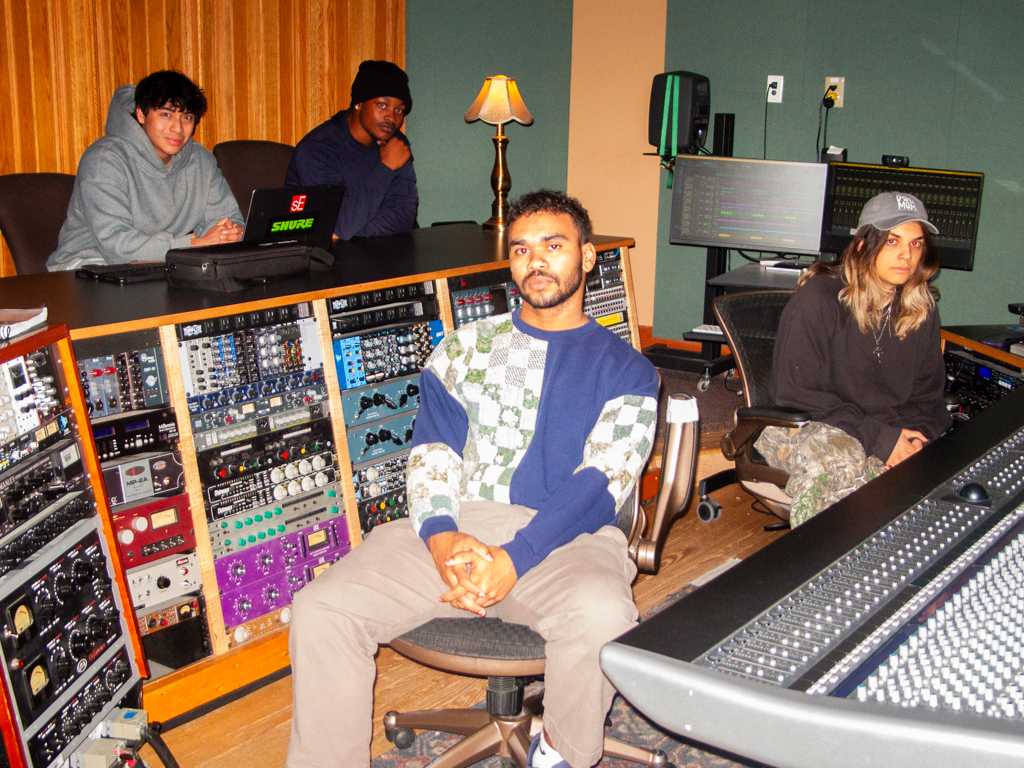
App State’s People of Color Sound Engineering club is an inclusive space offering opportunities for students of color interested in music production and sound engineering.
Club member Jay Archie, a junior music industry studies major, finds the club to be a familiar environment for members who share an interest in audio engineering.
“It’s a space for black and brown people who are interested in music production and sound engineering to gather and talk about all the same, like, nerdy tech stuff that we
would in class, but just in a different environment where it’s people who look like each other,” Archie said.
Harrison Stanley, a junior music industry studies major and president of POCSE, said the club’s main goal is to build community among App State’s people of color.
POCSE originated from the fusion of the Black Sound Engineers and the Latin Sound Engineers clubs, aiming to form a strong, unified group. Stanley said this gave POCSE enough members to have an official club at App State.
“POCSE is a music industry club focused around amplifying the voices of people of color in the music industry,” Stanley said.
The club often creates and reviews audio or video content, with a focus on music and visuals that resonate with the club members. Archie said the club also provides tutorials on sound engineering for underclassmen to familiarize them with the music technology at App State.
Dani Cefalo, a junior music industry studies major and club vice president, said they do a lot of video content for the younger students to acquaint them with the equipment they will be using in the future. Cefalo finds that having a video guide to some difficult aspects of the recording industry can be very useful throughout their collegiate career.
Club member Jackson Chunn, a junior music industry studies major, said the club provides the foundational knowledge needed for audio production.

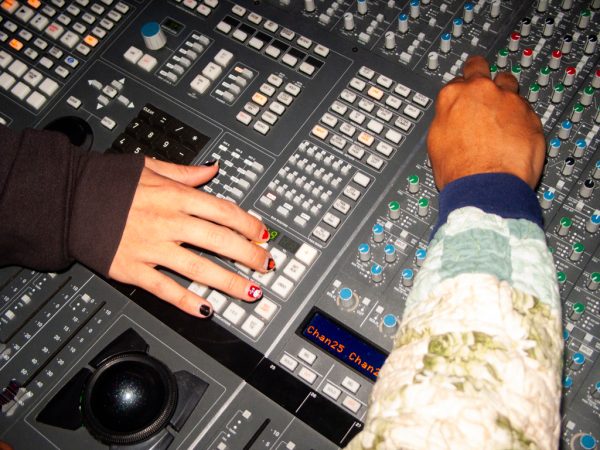
“We also do a lot of work for the program,” Chunn said. “Like how all this, you know, all these facilities operate — how to run the boards, how to plug a mic in, studio etiquette — all the things that are important to making it through the recording and production program.”
The club members said they find it essential for students, especially those new to campus, to see representation for themselves.
“When I was a student in high school looking for places to go, I didn’t really see a whole lot of people of color at App State, but they still had the resources,” Archie said. “With us coming together and showing that we are here, it could invite other people to come see that we have, like, the cool studio and all the gear, and then they also have a sense of community as well.”
Stanley said the community aspect of POCSE is crucial at App State and is one of the biggest reasons they worked to establish the organization.
“I think having, like, a unifying presence of people of color in the music industry is empowering, especially when it can feel like you’re drowning in white people,” Stanley said.
Archie said the club is still working to gain more members, but it is difficult to grow when there are not many people of color in App State’s music program in the first place.

“There’s not a lot of people that look like us, so, I mean, having each other is pretty cool, and that not only we all like to talk about music and making music, but, like, we come from sort of similar backgrounds and everything,” Archie said.
POCSE held an event last semester where they created an entire song within one hour, an experience Chunn described as “fun and frantic.”
Stanley said that after one and a half hours of setup, they began the process, with Cefalo filming the entire event. The song consisted of drums, bass guitar, piano, singing and freestyle rapping.
“It served as a tutorial for how to operate in the studio, but it’s also kind of showcasing our abilities as well,” Archie said. “It’s not an easy thing to do, but I mean, when we have many people working on one project, it’s a lot easier.”
POCSE also collaborated with its sister club, Femgineers, on a Christmas performance at Crossroads Cafe made up of a setlist curated by the two clubs. Archie said he found it engaging to be able to express the more artistic side of POCSE rather than their technical abilities.
“Even if you’re not a person of color, it’s still cool to know what’s going on in the other minorities,” Archie said. “It’s nice to know that people are supporting you even if they’re not directly affected by, you know, the limited amount of people there are that look like the POCSE people in the music building.”
